Siemens Polarion ALM / RM
Service
Polarion is an enterprise-grade ALM (Application Lifecycle Management) and RM (Requirements Management) platform that integrates requirements, development, testing, and release management into a single unified system. Its core strengths include the patented LiveDocs technology and powerful variant management capabilities, making it ideal for complex hardware-software integrated products, especially in high-complexity and highly regulated industries.
Core Philosophy
Unify requirements, development, testing, and compliance under a single data model to achieve true end-to-end traceability.
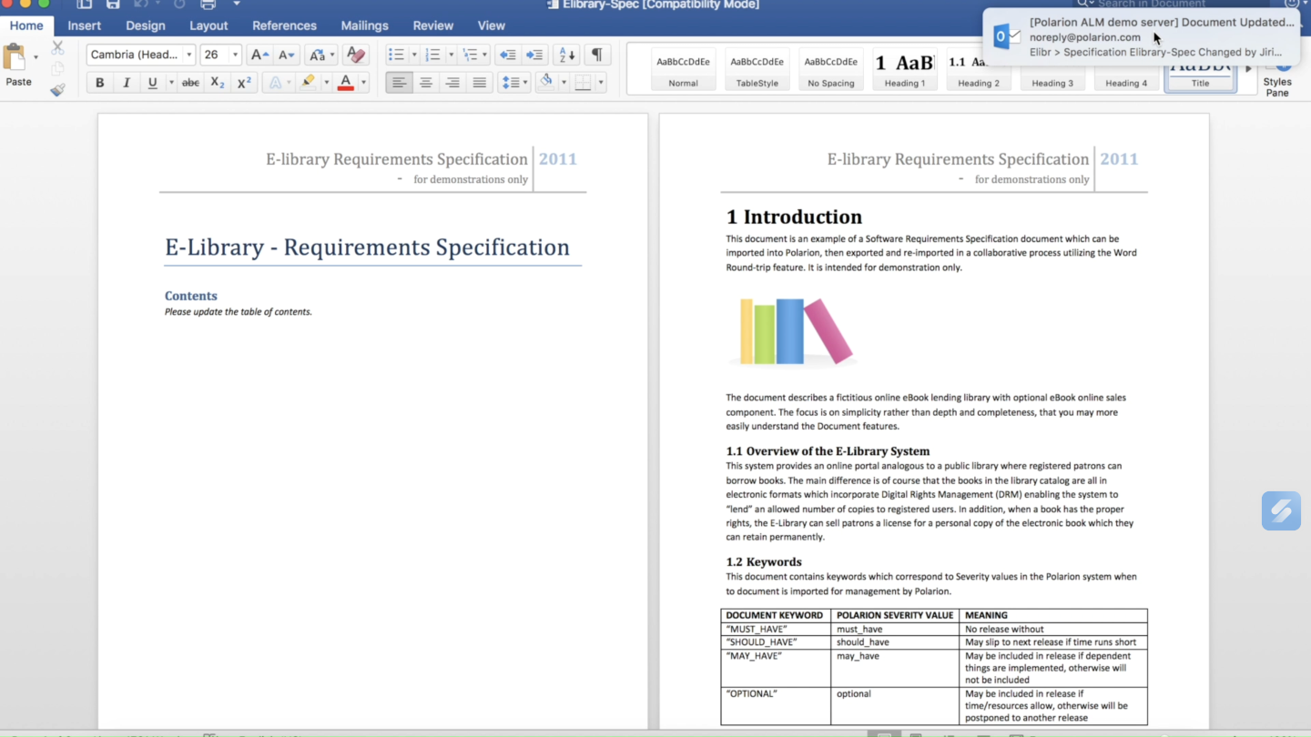
Before: Document-Oriented Approach
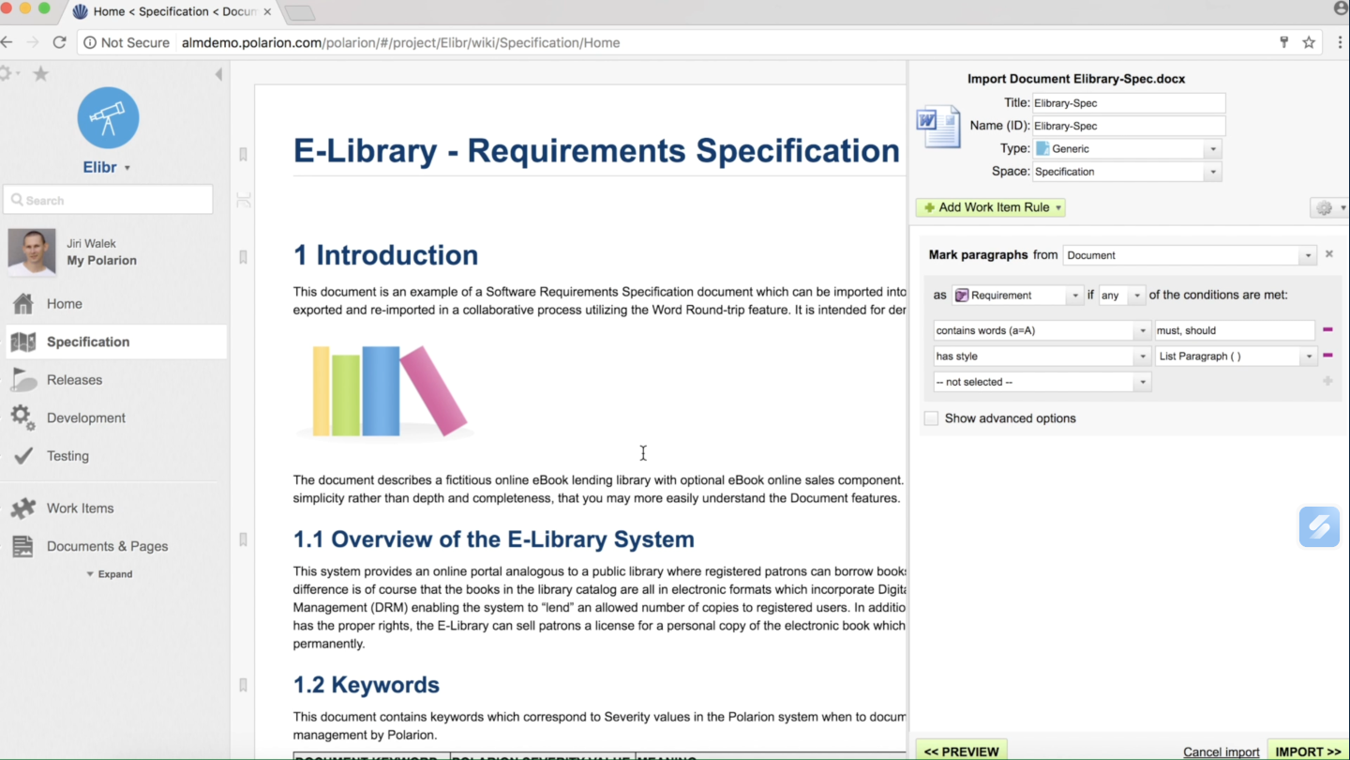
After: Item-Based Approach
Achieves bidirectional, atomic-level traceability from high-level requirements to code, test cases, and defect reports. This ensures full visibility across the entire lifecycle and is critical for audits, compliance, and regulatory certifications, with all changes automatically recorded.
Through LiveDocs™ and fine-grained access control, distributed teams can collaborate in real time within a single, secure repository. This ensures consistent and up-to-date information sharing across global teams.
Supports structured reuse and branching capabilities, enabling teams to efficiently share requirements, regulatory content, and test cases across multiple projects or product lines, significantly reducing duplication and management effort.
Provides workflow automation, full audit trails, and built-in compliance support, helping organizations streamline regulatory readiness and simplify audit preparation.



Software has become a key differentiator for medical device manufacturers. While it enables rapid innovation and new product capabilities, it also introduces stringent quality requirements, increased product risk, and growing regulatory complexity.
Polarion supports medical device companies through end-to-end ALM / RM capabilities, enabling organizations to accelerate innovation while systematically managing compliance requirements and risk control.
Regulatory Compliance Enabled by Polarion


Enable efficient collaboration across complex internal teams and supplier ecosystems, accelerating compliance with standards such as ISO 26262, IEC 62443, Automotive SPICE, R155/R156, and ISO 21434 for functional safety and cybersecurity compliance.
Seamless Real-Time Collaboration

In highly complex, multi-system development environments, reduce time-to-market while improving product quality and safety. Polarion provides end-to-end traceability and certification-grade compliance evidence for systems engineering and software engineering teams in regulated industries.
Since its founding in 2004, the mission has remained consistent:
To help organizations develop, govern, and maintain software through a unified platform that fully covers Requirements Management, Quality Management, and Application Lifecycle Management (ALM).
Polarion also offers deep integrations with tools such as MATLAB® Simulink® and Klocwork®, demonstrating a strong understanding of target industries and real-world engineering use cases.
Through close collaboration with innovative partners, the platform continues to extend its mission by enabling synergy across development teams.
By integrating Product Lifecycle Management (PLM) and Application Lifecycle Management (ALM) processes, organizations can bridge the gap between mechanical, hardware, electronics, and software development—delivering unprecedented efficiency gains.
Polarion Extensions & Integration (POP)
Learn how to extend Polarion’s capabilities through 200+ extensions or third-party tools such as Jira and MATLAB, enabling seamless integration across enterprise toolchains.
DOORS Migration to Polarion
If you are evaluating the benefits and steps of migrating from traditional RM tools, refer to our migration guide to understand how to transition requirements, traceability, and historical data effectively.
ALM Agile Development Practices
Explore how Polarion supports both traditional V-model development and modern Agile/Scrum-based ALM practices, enabling flexibility across different engineering methodologies.