Industry Compliance Management
Service

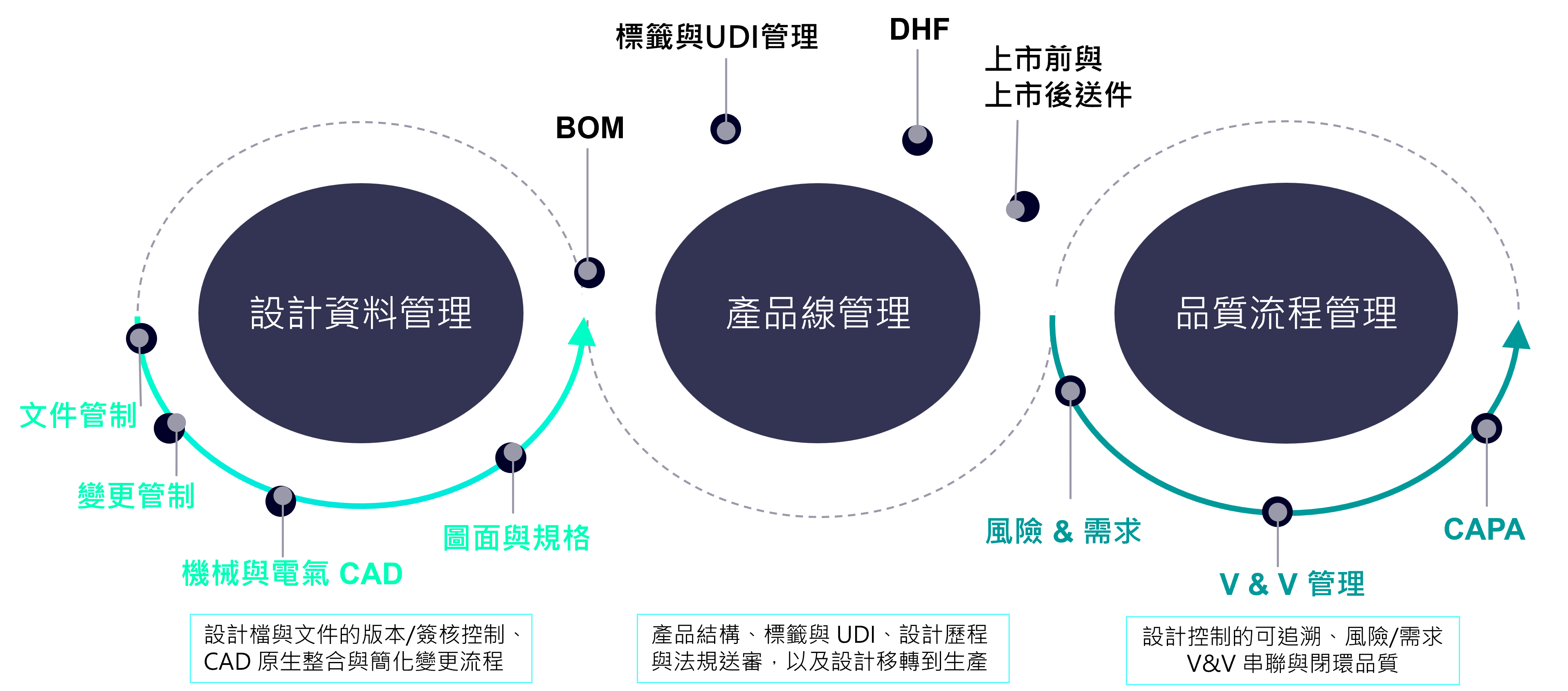
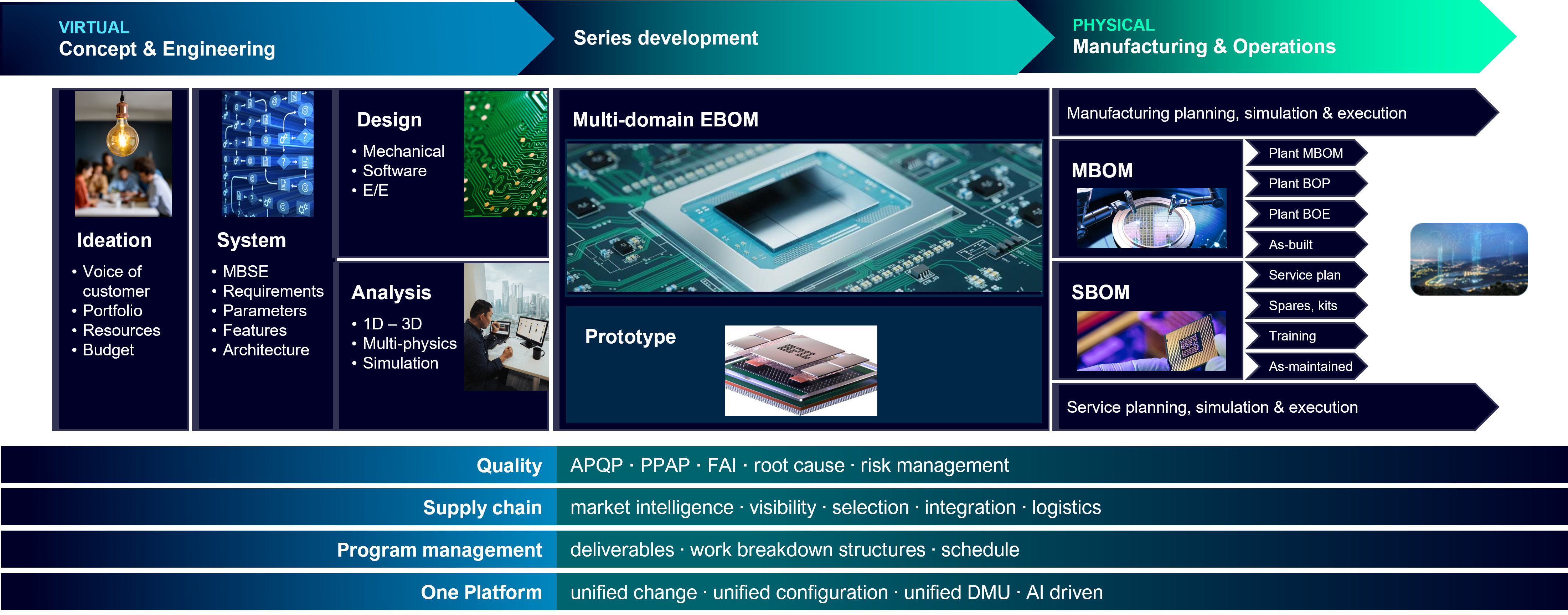
Anselm builds a digital compliance core through a “PLM + ALM/RM dual-platform collaboration” approach. This ensures that every requirement, risk item, verification activity, and engineering change in the R&D process is fully traceable, reproducible, and aligned with international audit standards.
We help enterprises shift compliance from “document-heavy reporting” to a system-driven evidence chain.
Medical Device: End-to-End Compliance from Design to Production Records
Medical device development faces increasingly strict regulatory requirements, including ISO 13485:2016, ISO 14971:2019, and FDA 21 CFR Part 820.
Anson Information applies a dual-platform architecture to seamlessly integrate hardware documentation and software lifecycle management, eliminating compliance blind spots.
| Standard | Oracle Agile PLM / Teamcenter PLM / Polarion ALM / Jama Connect RM | Core Value |
| Design Control (ISO 13485 Clause 7.3) | PLM as Single Source of Truth (SSOT): Centralized management of DHF (Design History File) and DMR (Device Master Record). The system automatically links drawings, specifications, and ECO change history, ensuring a complete and auditable trail. |
Value: Always audit-ready, significantly reducing preparation time and error rates during FDA/ISO inspections. |
| Risk Management (ISO 14971) |
Polarion Dynamic Risk Matrix: |
Value: Risk visualization ensures all unacceptable risks are mitigated and properly verified. |
| Software Lifecycle (IEC 62304) | Live Traceability (End-to-End Traceability): Establishes a full traceability chain from user requirements → software requirements → code → testing → risk management, meeting strict SaMD (Software as a Medical Device) requirements. |
Value: Accelerates time-to-market by reducing R&D cycle time by approximately 15%–30%. |
Driving the V-Model for Systematic Vehicle Safety Assurance
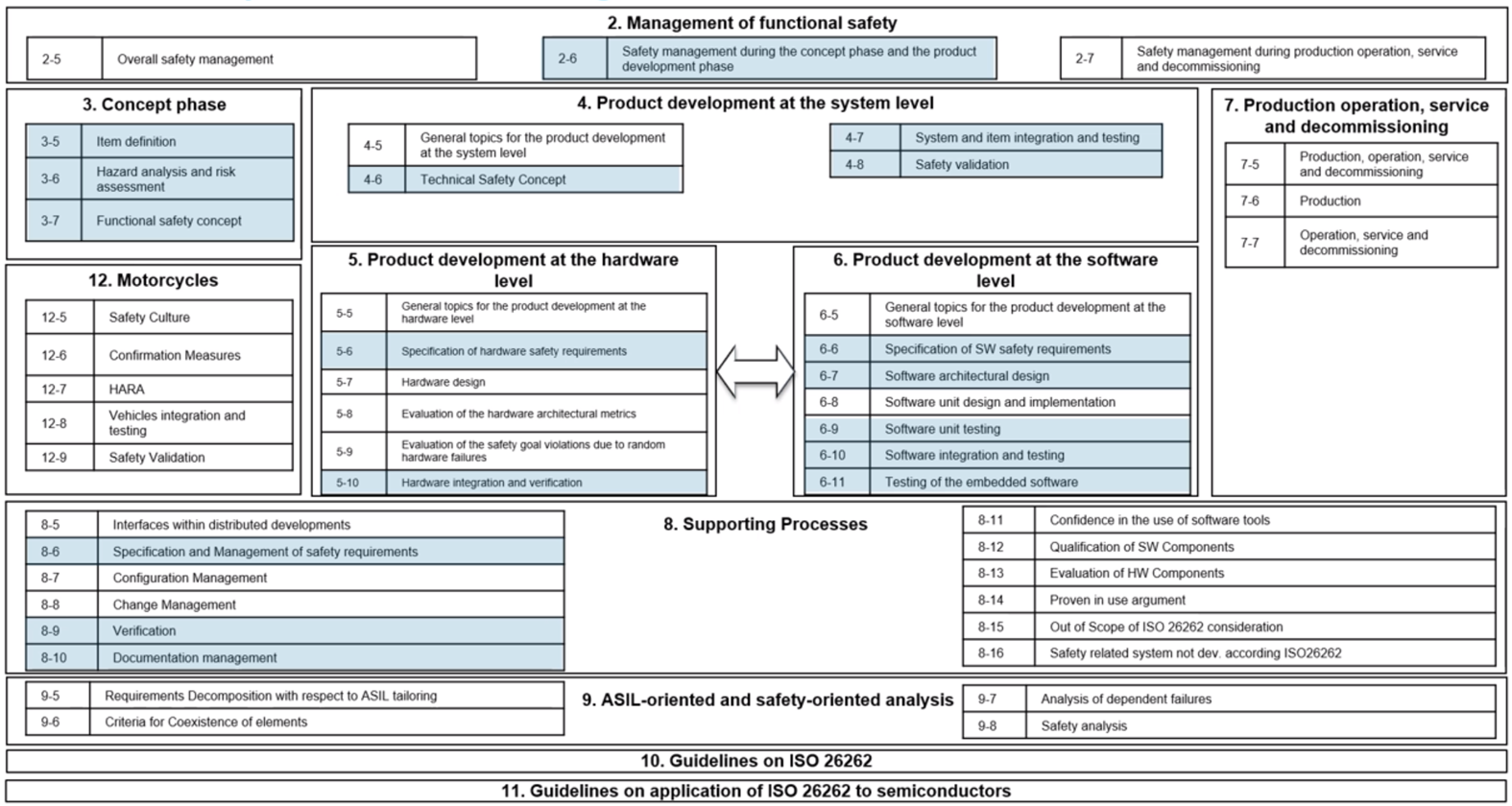
As automotive electronics and software continue to grow in complexity, functional safety has become a non-negotiable requirement for OEMs and Tier-1 suppliers. Based on ISO 26262:2018, Anson Information integrates PLM × ALM platforms to help organizations establish a full lifecycle functional safety management system covering concept, system, hardware, and software domains. This ensures that the V-Model is not only documented but also truly implemented within systems and processes.
Key Challenges in Automotive Functional Safety
Anselm builds a digital functional safety platform compliant with ISO 26262 by integrating PLM (Oracle Agile PLM / Teamcenter) and ALM (Polarion).
This ensures:
Safety Lifecycle Management (ISO 26262 Part 2 / Parts 3–6)
Within PLM / ALM systems, ASIL (Automotive Safety Integrity Level) attributes are defined and enforced to drive the functional safety process.
For platforms such as Oracle Agile PLM, Teamcenter, and Polarion, Anson Information provides:
This ensures that the tools themselves are formally qualified and accepted as part of the functional safety lifecycle.
ASPICE Compliance Engine: Building Level 3 Capability Development Processes
A Digital Compliance Engineering System Based on ASPICE v4.0
Anselm leverages ASPICE (Automotive SPICE) v4.0 as a core framework to build a fully digital compliance engineering system for automotive software and electronics development.
ASPICE has become a key evaluation standard for automotive electronics and software development. By integrating systems engineering, software engineering, hardware engineering, and mechanical engineering, Anson helps organizations establish a V-model–compliant digital development and verification framework.
Through a PLM + ALM cross-domain integration architecture, compliance requirements are not only used for audits, but are transformed into daily executable, measurable, and continuously optimizable engineering processes.
Manages the full lifecycle from:
This ensures full end-to-end traceability and process enforcement across the software lifecycle.
Manages:
This enables synchronized development between mechanical, electrical, and software domains.
Achieve ASPICE Established Level 3 capability, ensuring that engineering processes are:
By combining PLM and ALM into a unified compliance engine, Anselm enables enterprises to operationalize ASPICE rather than treat it as a one-time assessment requirement.
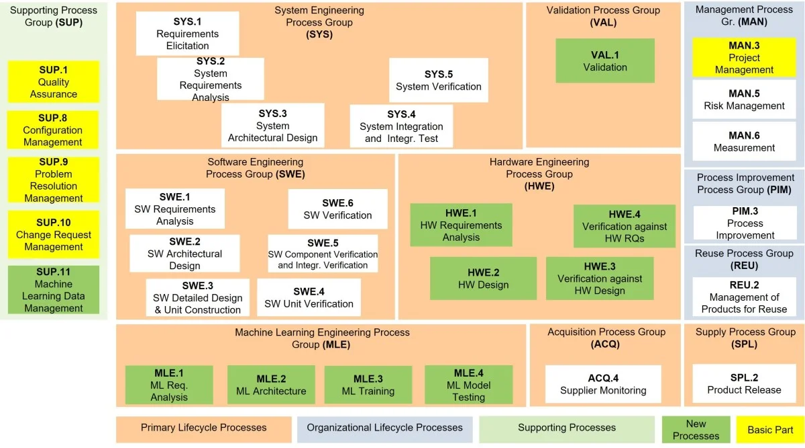
Connecting SYS / SWE / HWE into a Unified Digital Thread
Using Polarion as the core ALM platform, the following processes are fully digitized and managed:
Managed through Teamcenter and Oracle Agile PLM, covering:
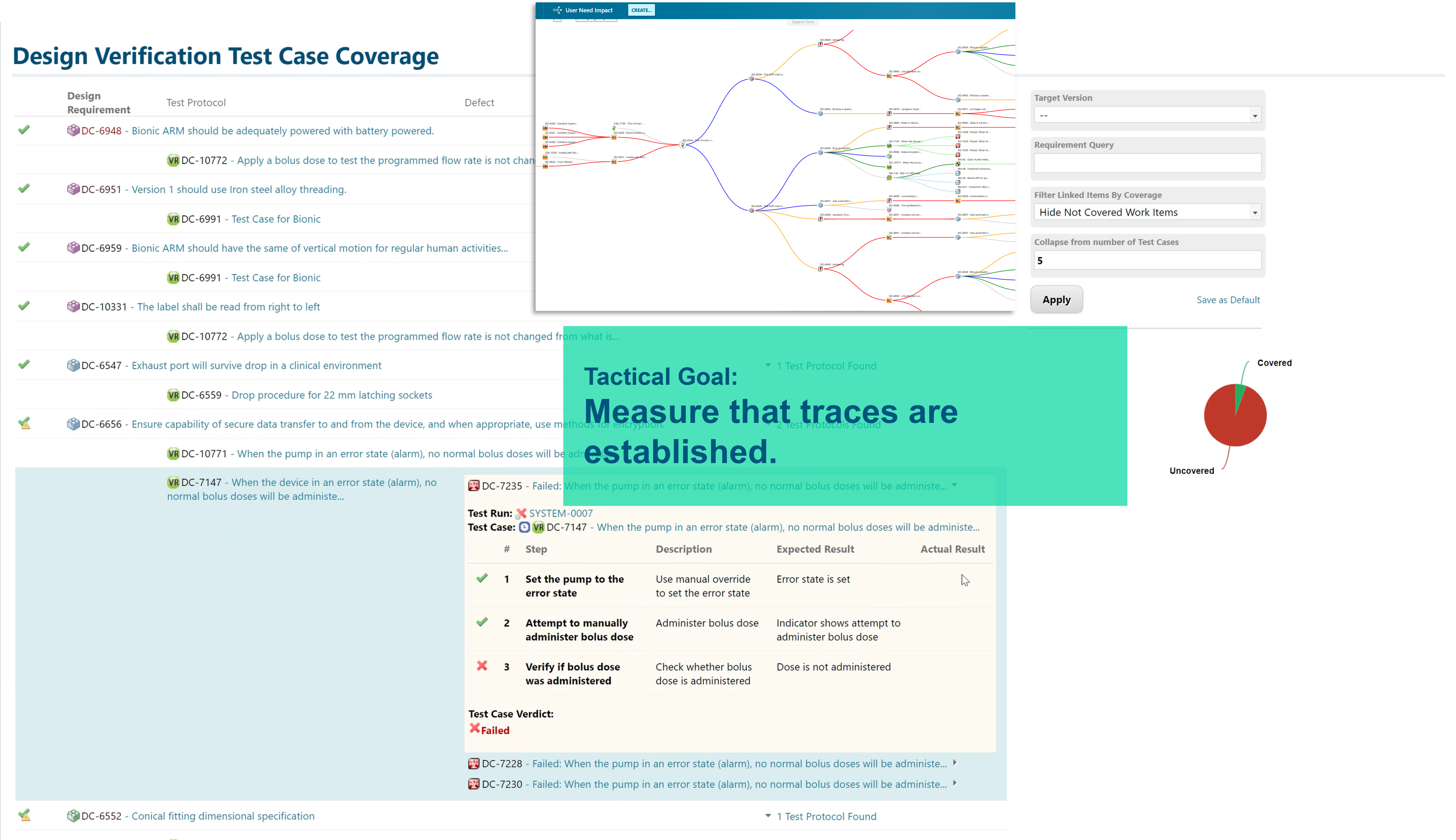
At the core of the solution, Polarion Live Traceability™ establishes a complete end-to-end traceability chain:
Every requirement and every test result can be traced back to its origin and analyzed for impact scope, effectively preventing unintended functionality and reducing safety risks.
The system enforces automated consistency control across engineering artifacts:
Driving Compliance Excellence in Aerospace & Defense through PLM/ALM
Anselm leverages a PLM/ALM-driven approach to enable compliance excellence for the Aerospace, Space, and Defense (ASD) industry.
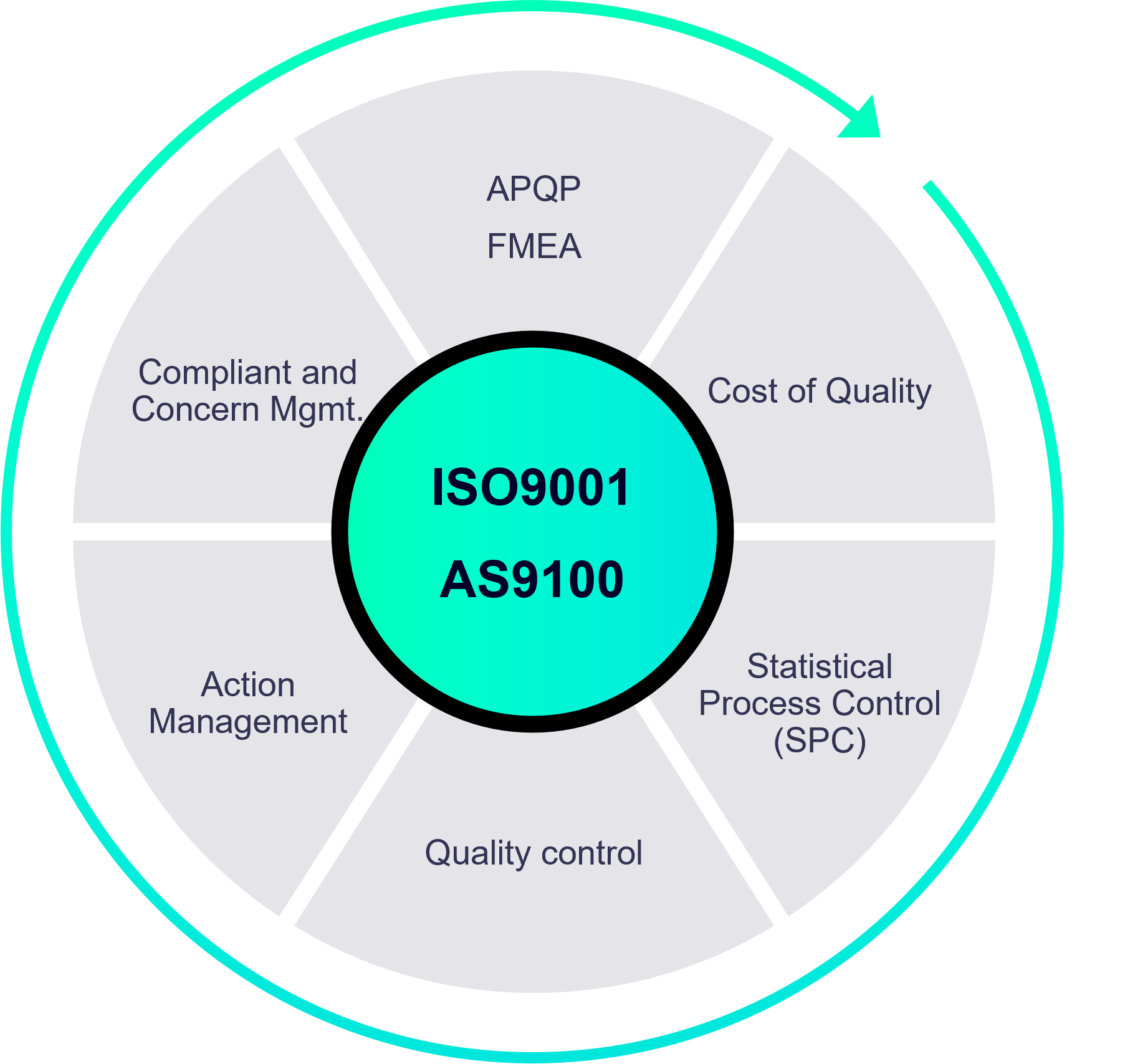
Designed specifically for highly regulated ASD environments, this solution goes beyond ISO 9001 requirements and helps organizations build a fully digital management system aligned with the stringent demands of AS9100 Aerospace Quality Management Standard.
Platform: Oracle Agile PLM / Teamcenter
Value:
Focused on hardware product configuration management and end-to-end control of the product realization process, ensuring full traceability down to every single component—down to each screw.
Platform: Polarion ALM / RM
Value:
Focused on compliance requirements for deliverable software in avionics and embedded systems. In alignment with the principles of AS9115, it enables precise traceability from requirements to code, ensuring full control, verification, and compliance across the software lifecycle.